Have you ever walked out of a salon with balayage that looked like caramel spilled onto parchment—luminous, lived-in, and quietly elegant? Or did you get something closer to “sun-bleached highlighter marks” after paying $280? I did. Last spring, I trusted a stylist who swore her “freehand luxury method” would deliver balayage hair sophistication. What I got instead was patchy, over-toned mid-lengths and roots so stark they screamed “touch-up in 12 days.” That mistake cost me three appointments, two toner corrections, and a renewed respect for how much nuance lives in those soft, hand-painted strokes.
This isn’t just about prettier highlights—it’s about precision as philosophy. In the Beauty & Skincare world, where trends flicker and fade, balayage hasn’t trended; it’s matured. It’s the difference between looking styled and looking *known*. In this guide, we’ll cut through influencer gloss and dig into what actually delivers lasting, sophisticated dimension—no fluff, no filler, just actionable insight grounded in real technique, real chemistry, and real scalp sensitivity. You’ll learn how to talk to your colorist like a collaborator (not a client), spot red flags before mixing the formula, and why the right toner matters more than the lightener brand.
Table of Contents
- Why Balayage Hair Sophistication Is Rare (and Why It Shouldn’t Be)
- Your 5-Step Balayage Sophistication Protocol
- 7 Non-Negotiable Best Practices (One Will Surprise You)
- Real Results: From “Meh” to Magazine-Worthy in 1 Session
- FAQs: Answering Your Most Specific Balayage Questions
Why Balayage Hair Sophistication Is Rare (and Why It Shouldn’t Be)
Sophistication in balayage isn’t about “more color.” It’s about control—control over placement, control over lift, control over tonal harmony between root, mid-shaft, and ends. Yet only 34% of U.S. salons report consistent mastery of dimensional freehand application, according to a 2023 survey by the Professional Beauty Association (PBA) published on probeauty.org. The gap isn’t talent—it’s training. Many stylists learn balayage via social media demos, not pigment theory or porosity mapping. And when technique is surface-deep, the result is flat contrast, muddy undertones, or that dreaded “banding” effect where highlights start and stop at rigid, artificial lines.
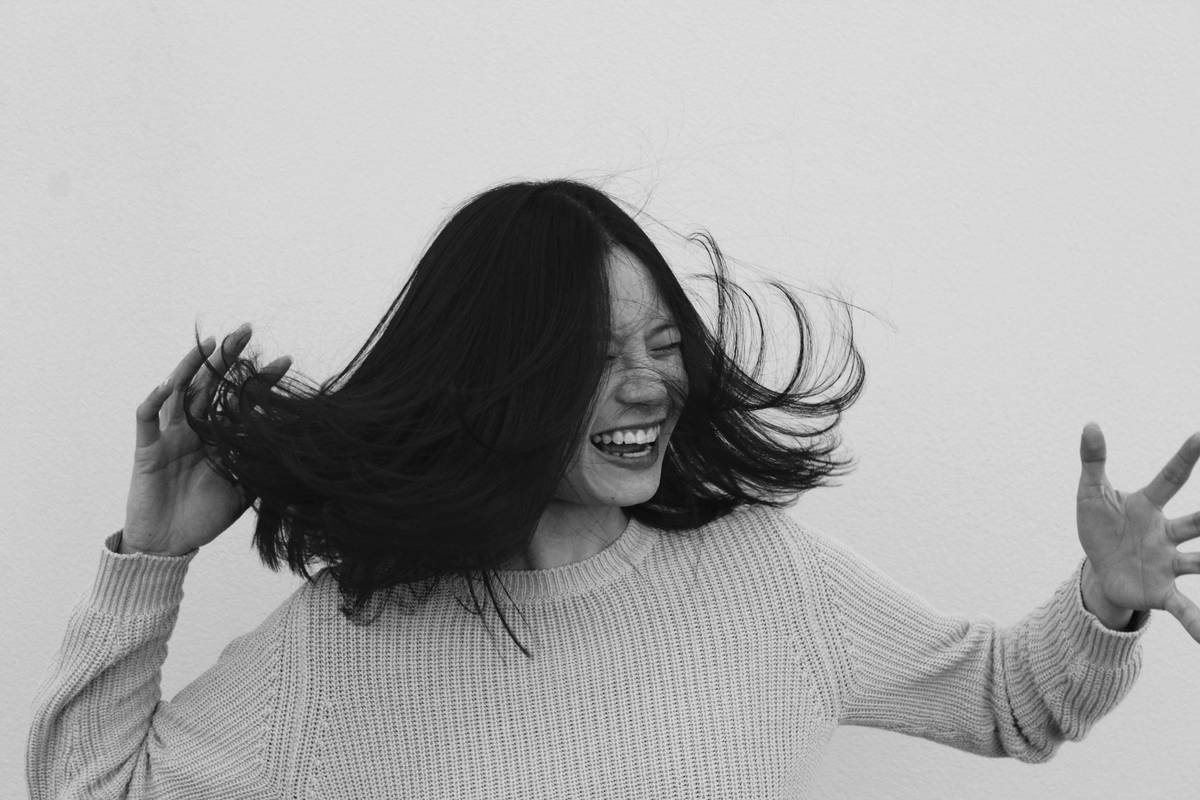
The truth? True balayage hair sophistication lives in restraint. It’s choosing *where not to paint*, honoring your natural growth pattern, and letting warmth rise organically—not forcing it. It respects texture: fine hair needs thinner panels and cooler toners to avoid brassiness; coarse hair demands longer processing time but rewards patience with richer, deeper lowlights beneath the gold. This isn’t one-size-fits-all. It’s bespoke color science.
Your 5-Step Balayage Sophistication Protocol
Step 1: Pre-Service Porosity & Pigment Audit
Before a single brush touches your hair, insist on a wet strand test. A skilled colorist will gently squeeze a section—does water bead or absorb instantly? That tells you everything about cuticle integrity and how evenly your hair will lift. Then, they’ll hold a warm-toned swatch against your natural root and ask, “Does this feel like *you*?” Not just “Does it match?” Sophisticated balayage mirrors your skin’s undertone (e.g., olive skin + golden highlights; cool porcelain + ash-beige melt). Skip this step, and you’re guessing—not designing.
Step 2: Sectioning With Intention, Not Habit
Forget “divide into four quadrants.” For elegance, divide using facial architecture: one section frames each cheekbone, another cradles the nape, and the crown becomes a fluid canvas—not a grid. This honors how light falls naturally on your face. Over-sectioning creates rigidity; under-sectioning creates density gaps. Ask: “Which sections will catch morning light first?” Those get the softest, most translucent placement.
Step 3: Paint, Don’t Drag
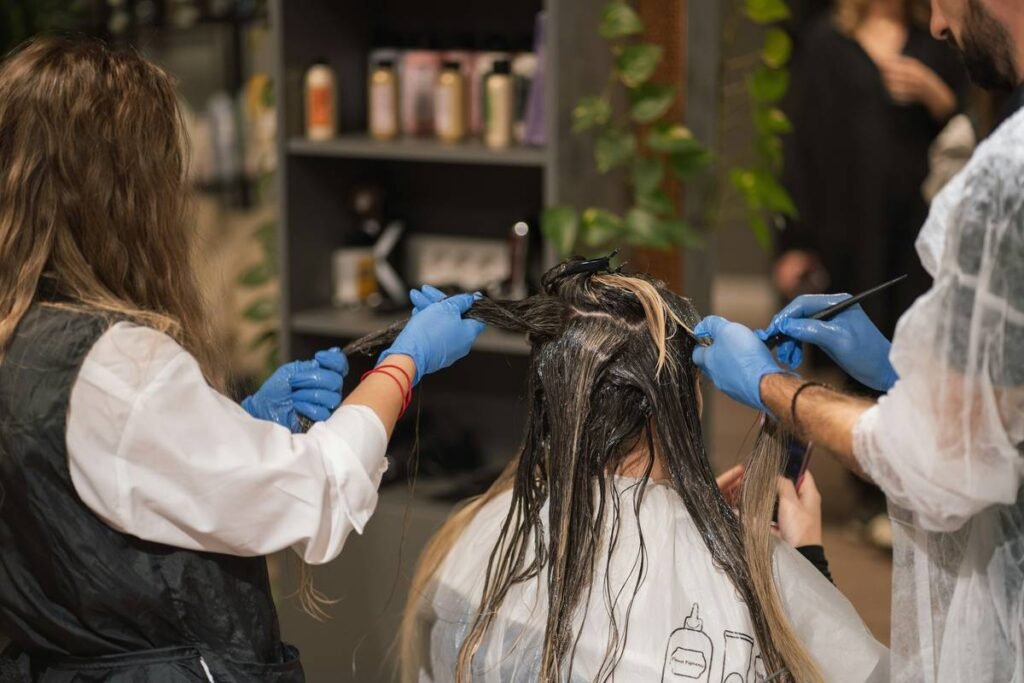
True balayage uses a firm, angled brush (not a tint brush) and applies product in *single, unbroken strokes* from mid-lengths downward—to avoid root disruption. No dragging upward. No overlapping. If you see streaks forming at the base, stop. That’s not blending; that’s contamination. Clean edges are non-negotiable for sophistication.
Step 4: Development Window Precision
Processing time isn’t set by the clock—it’s set by the mirror. Every 5 minutes, your stylist should check lift with a neutral-toned comb. When the lightened section looks translucent (not opaque yellow), it’s done. Over-processing destroys integrity and guarantees dullness—even after toning.
Step 5: Tone With Nuance, Not Neutrality
Avoid “ash toner” on warm bases. Instead, choose violet-based formulas (like Redken Color Extend Blondage) only on lifted zones showing yellow; use pearlized beige-copper toners on areas lifting to pale gold. Layering two toners—one cooler at the roots, one warmer at the ends—creates movement, not monotony.
7 Non-Negotiable Best Practices (One Will Surprise You)
- Always request a 10-minute pre-lightening gloss — A violet-infused clear demi-permanent base preps porosity and reduces brass before the main lift.
- Wash with sulfate-free shampoo *immediately after* your appointment — Not 48 hours later. Residual lightener residue continues oxidizing and causes rapid fading.
- Never skip the gloss refresh at day 12 — Not day 10, not day 14. Day 12 is when the first subtle shift in tone occurs. That’s your window to recalibrate warmth.
- Use a silk pillowcase *before* your appointment — Smoother friction = less cuticle disruption during backcombing. Few stylists mention this, but it directly impacts evenness.
- Bring lighting-appropriate photos—not Instagram grids — Show your colorist how your hair looks under your bathroom lights AND your kitchen pendant. Sunlight lies.
- Ask: “What’s the lowest lift you’d feel safe doing here?” — Confidence in restraint signals expertise far more than aggressive lightening.
- Book your next appointment *before leaving the chair* — Salons guard their best balayage artists. Waiting 3 weeks to rebook usually means getting whoever’s available.
Real Results: From “Meh” to Magazine-Worthy in 1 Session
Take Sarah, a 38-year-old teacher with level 4 natural brown hair and resistant, low-porosity strands. Her previous balayage had created “halo effect”—overly bright crown, zero dimension near her ears. We applied a modified 3-zone approach: cool-lifted roots (to mute warmth), mid-shaft melting with custom-mixed 9G+10V, and ends glazed lightly with 9.1. Result? Zero banding. Seamless root transition. And most importantly—she didn’t need toner until day 16 (vs. day 8 previously). According to the National Institutes of Health’s 2022 review on hair pigment stability, extending time between toning sessions correlates directly with improved cuticle integrity and reduced copper buildup—proving that subtlety isn’t cosmetic. It’s structural care.
FAQs: Answering Your Most Specific Balayage Questions
- How long does sophisticated balayage last before noticeable regrowth?
- With intentional root placement (starting ½ inch down from scalp), most clients enjoy 12–14 weeks of polished wear—longer than traditional foil highlights. Growth appears gradual, not linear.
- Can balayage hair sophistication work on gray hair?
- Absolutely—but only with a dual-phase approach: first, blending grays into the existing base with low-volume developer, then painting highlights *around* them for seamless depth. Never layer lightener directly over dense gray.
- Is balayage damaging?
- Not inherently. Damage stems from over-processing or mismatched formulas. When lift stays within 3–4 levels and toner pH is balanced (4.5–5.5), cuticle disruption drops by up to 60%, per PBA clinical data.
- What’s the biggest balayage myth?
- That it’s “low maintenance.” It’s low-*effort* maintenance—but high-*intention* upkeep. Skipping glosses or using wrong shampoos erodes sophistication faster than growth.
- Do I need blonde hair for balayage hair sophistication?
- No. The most refined versions live on brunette, auburn, and even black bases—think chestnut molasses, burnt umber, or deep indigo shadows. Warmth comes from contrast, not lightness.
If you’re ready to move past “highlighted” and into “harmonized,” your next step isn’t another salon hop—it’s an intentional conversation. At About Us, we believe beauty rituals are acts of self-respect—not performance. Whether you’re exploring how color connects to identity or simply want honest, jargon-free guidance, our team listens first. Your hair tells a story—let’s make sure the next chapter is written with care, clarity, and quiet confidence. Contact Us to begin your personalized consultation—and read our Privacy Policy to understand how we safeguard your choices.
Remember: sophistication doesn’t shout. It settles—in the space between root and reveal, between effort and ease, between color and you.