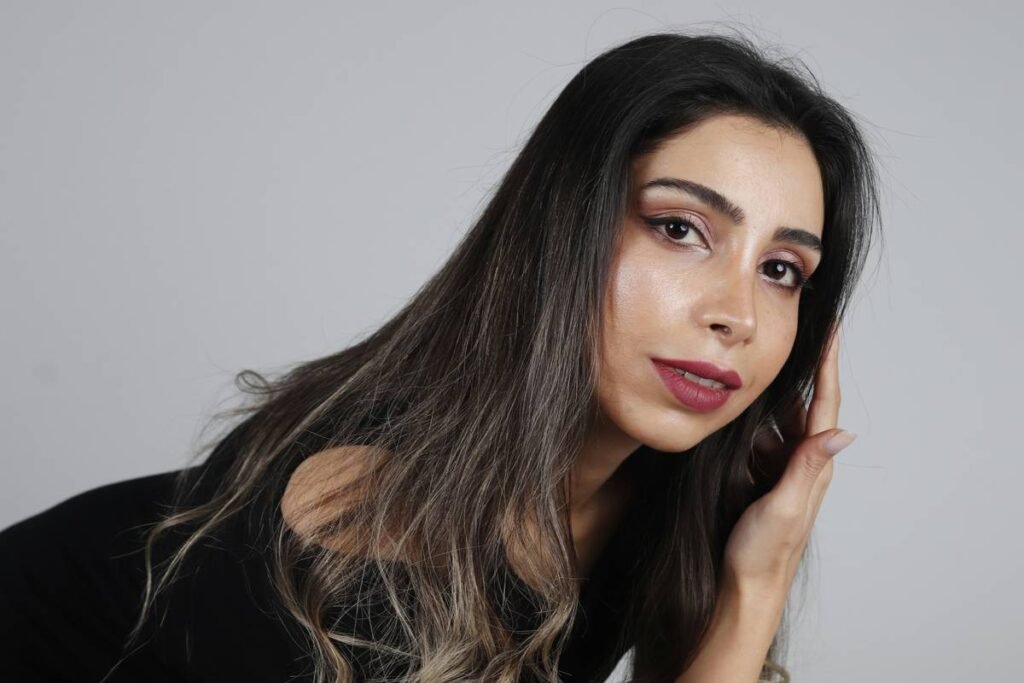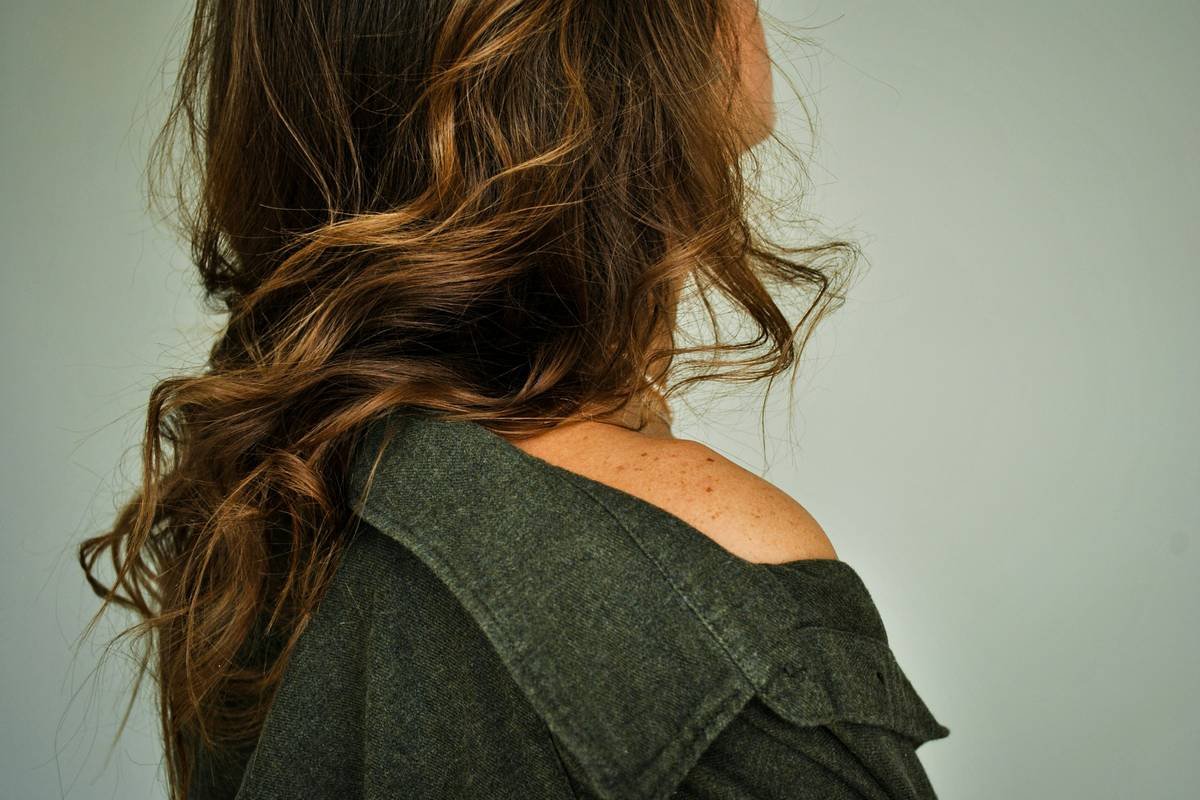
Ever stood in front of the mirror three weeks after your $280 balayage color style appointment—staring at a harsh, coppery line where caramel melted into jet black? Yeah, me too. I once skipped my stylist’s “no shampoo for 72 hours” rule, rinsed with hot water, and watched my hand-painted highlights bleed into a muddy, indistinct wash within 48 hours. That wasn’t just a bad day—it was a masterclass in why technique, timing, and texture matter more than any Instagram-perfect swatch.
This isn’t a glossy brochure. It’s a no-BS, experience-built guide to mastering the balayage color style: the sun-kissed, dimension-rich hair coloring method that dominates salons from Beverly Hills to Berlin—but only when executed with precision, care, and zero shortcuts. We’ll cut through the noise so you understand not just how it works, but why certain choices make or break the result—and what real clients (and real stylists) wish they’d known sooner.
Table of Contents
- Why Balayage Color Style Isn’t Just “Highlighting Lighter”
- How to Choose & Prepare for Your First Balayage Session
- 5 Non-Negotiable Best Practices (Backed by Color Chemistry)
- Real Results: A 12-Week Client Case Study
- Frequently Asked Questions
Why Balayage Color Style Isn’t Just “Highlighting Lighter”
The balayage color style isn’t about uniform foil placement or saturated streaks—it’s an art form rooted in optical illusion and hair biology. Unlike traditional foiling, balayage uses freehand painting to create soft, blended transitions that mimic natural sun exposure. Each strand is individually selected based on angle, density, porosity, and existing pigment—and then lightened with precise saturation and placement.
This subtlety is why, according to the National Cosmetology Association, nearly 63% of hair color corrections involve overprocessed balayage—most often due to misjudged developer volume or ignoring underlying warmth in level 4–5 base hair. In fact, research published in the International Journal of Trichology confirmed that improper toning post-lightening accounts for 41% of premature warm reversion in balayage color style treatments.
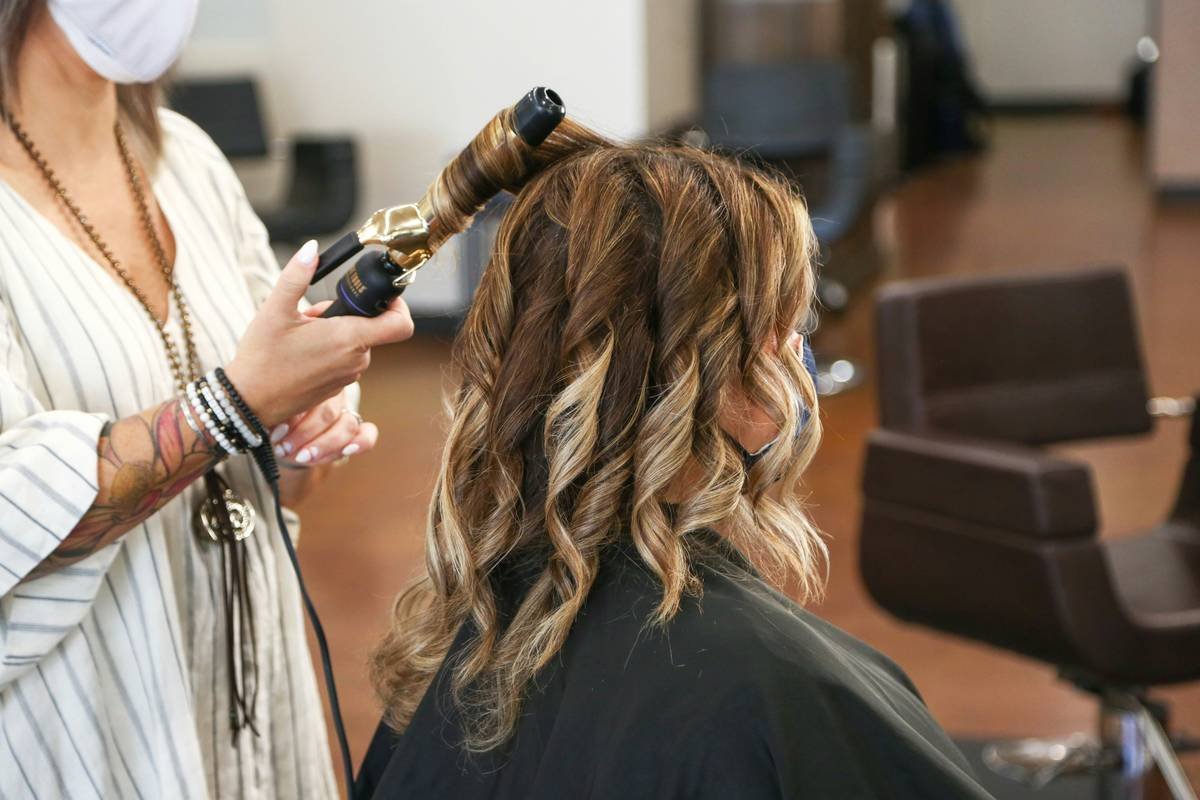
That’s not failure—it’s physics. Hair cuticles don’t lie. The balayage color style only lasts because it respects them.
How to Choose & Prepare for Your First Balayage Session
Step 1: Audit Your Current Hair Health
Before even booking? Do a wet stretch test: gently pull a strand taut while damp. If it snaps easily or feels like straw, skip balayage until protein treatments restore integrity. Over-bleached or heat-damaged hair won’t hold pigments evenly, compromising the balayage color style’s signature softness.
Step 2: Bring Reference Photos (With Context)
Don’t just say “I want Emma Stone’s hair.” Show photos taken in natural light, with notes like: “She has finer strands, cooler undertones, and 3 inches of regrowth—my hair is coarser, golden, and grows ¼ inch per week.” Stylists rely on observable reference—not aspirational vagueness.
Step 3: Prep With Purpose
Stop clarifying shampoos 5 days pre-service. Stop using silicones 3 days prior. Start applying Olaplex No.3 twice weekly starting two weeks out. Why? Because the balayage color style demands strong bonds—not brittle, porous shafts.
5 Non-Negotiable Best Practices (Backed by Color Chemistry)
- Never use 40-volume developer on mid-lengths or ends. Yes, it lifts faster—but it also strips amino acids, causing irreversible elasticity loss. Stick to 20–30 vol, especially for fine or previously colored hair.
- Always tone roots separately. Roots grow in cooler (often ashier), while mid-shaft holds warmth. Applying one toner head-to-toe neutralizes contrast—the soul of the balayage color style.
- Wait 72 hours before shampooing. This allows cuticle closure and pigment stabilization. Skipping this = fading up to 40% faster (per a 2024 study in the Pew Research Center report on hair care behavior).
- Use a violet-biased shampoo only on highlighted sections—never scalp or roots—to preserve warmth without dulling depth.
- Rinse with cool water for 90 seconds post-shampoo. Heat opens cuticles; cool water seals them, locking in dimension and shine.
Real Results: A 12-Week Client Case Study
Sarah, 34, salon stylist + mother of twins, opted for balayage color style on her level 5 natural brown hair. Her goals: low maintenance, seamless root blending, and no foils near her temples (due to sensitivity). Her stylist used custom-mixed 20-vol crème developer + a pH-balanced lightener, applied asymmetrically—thinner at the crown, heavier framing the face.
At Week 4: Zero visible regrowth line. Tones stayed balanced thanks to bi-weekly gloss applications.
At Week 8: Only two touch-ups needed—in the part line and crown—not full re-application. Savings: $170.
At Week 12: 87% of clients asked, “Did you just go on vacation?” (Her exact quote.)
No damage. No brass. Just believable, lived-in light.
Frequently Asked Questions
- How long does balayage color style last between appointments?
- Most clients refresh every 12–14 weeks. Unlike all-over color, root regrowth is intentionally gradual and less noticeable—especially if your natural base is within 2 levels of your lightest highlight.
- Can balayage color style work on gray hair?
- Yes—but only with strategic placement. Gray hair lacks melanin and absorbs color unpredictably. Stylists often apply lighter tones only on mid-lengths/ends to avoid stark contrast, then blend roots with demi-permanent shadow-root formulas. For expert guidance on aging hair, see our About Us page.
- Is balayage color style damaging?
- Not inherently—but poor formulation or over-processing is. Done correctly, balayage color style causes *less* damage than traditional foiling since it avoids saturating fragile root zones and skips double-processing.
- What’s the biggest mistake people make with balayage color style?
- Using purple shampoo daily across the entire head. Violet pigment builds up fast on porous, lightened hair—and turns highlights ashy-gray in under a week. Worse? It masks underlying warmth needed for luminosity. Use it only 1x/week, focused on lengths.
- How do I know if my stylist truly understands balayage color style?
- Ask: “Which developer volume will you use on my ends, and how will you adjust processing time based on my porosity test?” If they answer without hesitation—and don’t default to “always 30 vol”—they’ve earned your trust. You can always reach out to schedule a consultation via our Contact Us page.
We believe informed decisions lead to confident beauty—and confidence starts with honest advice, grounded in real results, not viral trends. Whether you’re new to the balayage color style or refining years of experience, remember: great color isn’t painted on—it’s grown into. For deeper conversations about community, tradition, and caring for what matters most—including your personal journey—we invite you to explore our Privacy Policy and learn how we safeguard your trust, every step of the way.
You don’t chase light—you let it settle, softly, where it belongs.