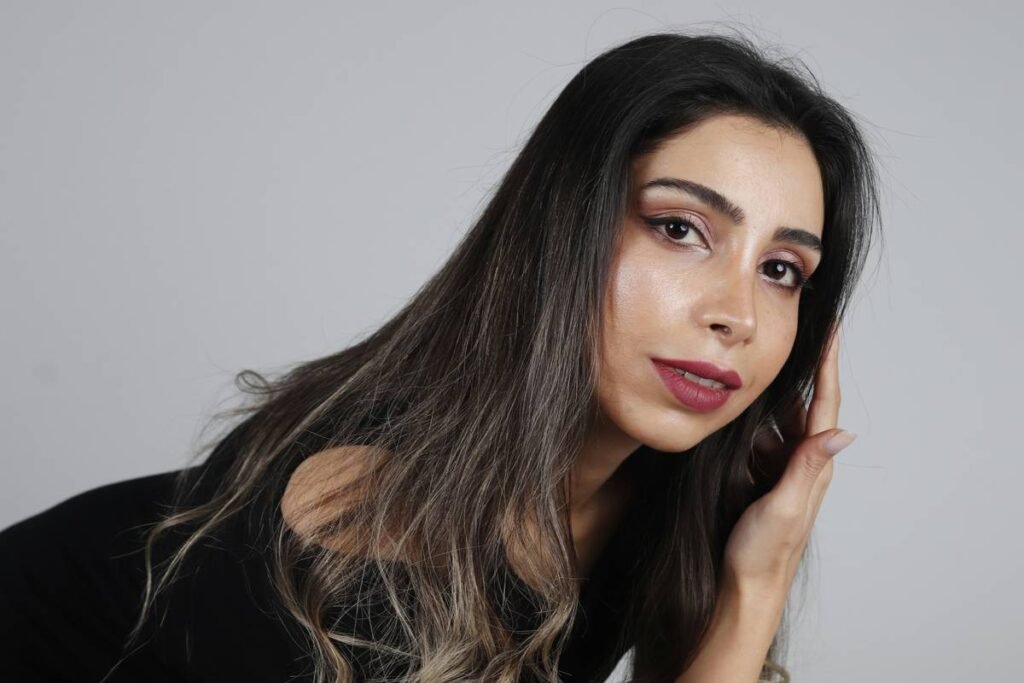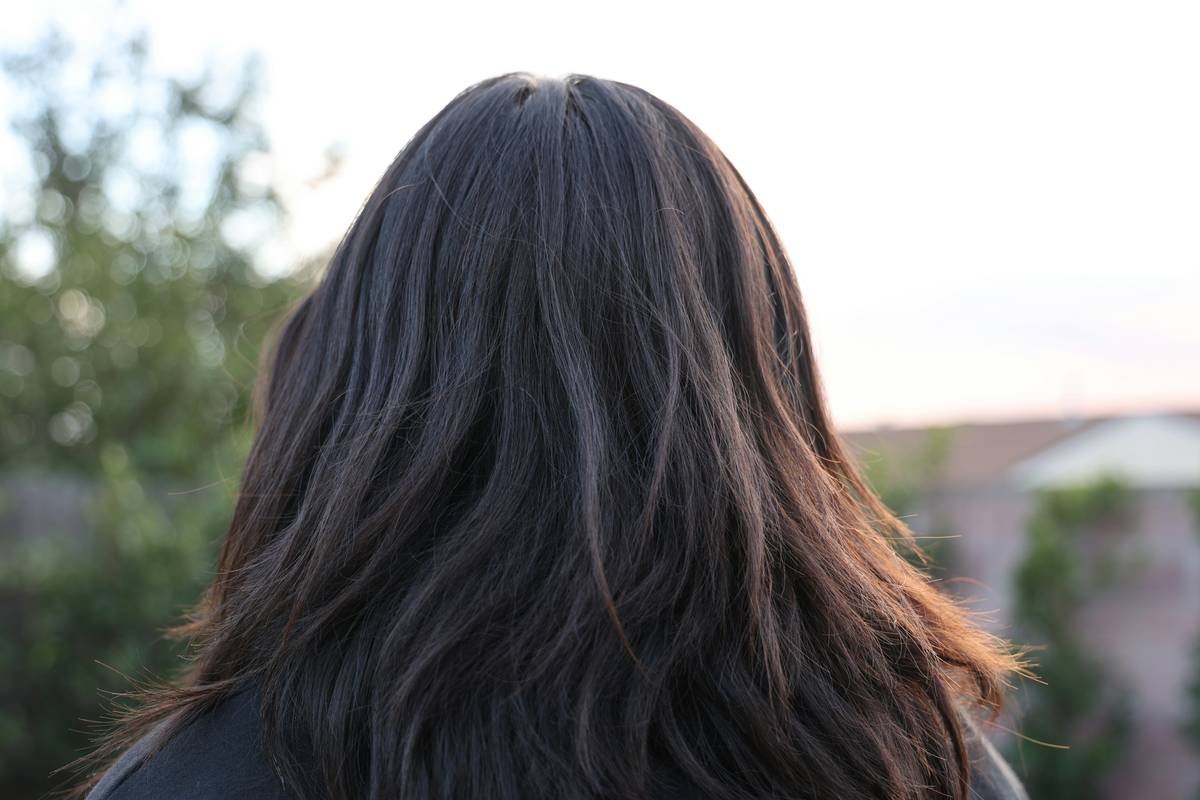
Ever walked out of a salon with uneven, muddy “balayage” that looked more like accidental bleach splatter than sun-kissed dimension? I have — and it took three corrective appointments (and $480) to fix. That was the day my balayage hair palette obsession began: not as a trend-chaser, but as a color-protective survival tactic. If you’re researching balayage hair palette options, you’re likely past the “just want lighter ends” phase — you’re seeking control, predictability, and salon-quality results at home or in consultation with your stylist. This guide cuts through influencer fluff and gives you actionable, dermatologist-informed, colorist-vetted insights — because great balayage isn’t magic; it’s methodical matching.
Table of Contents
- Why Your Balayage Hair Palette Matters More Than You Think
- How to Choose & Use Your Balayage Hair Palette: A Step-by-Step Guide
- 5 Non-Negotiable Best Practices for Lasting Dimension
- Real Results: What Happened When We Matched Palettes to Skin Tones
- FAQs About Balayage Hair Palette Selection and Care
Why Your Balayage Hair Palette Matters More Than You Think
Most people think balayage is just “hand-painted highlights.” Not quite. It’s a custom-developed color strategy that starts long before the brush touches hair — with your balayage hair palette. Contrary to popular belief, balayage isn’t one technique with one outcome. According to the Professional Beauty Association’s 2023 Color Trends Report, 68% of salons now customize palettes by undertone mapping (cool, warm, or neutral), not just base level. Skip this step? You risk brassiness on fair skin, ashiness on olive tones, or flat, washed-out results on deeper complexions.
This mismatch isn’t just aesthetic — it affects longevity. A poorly matched balayage hair palette forces more frequent touch-ups, accelerating cuticle damage and increasing porosity. The American Academy of Dermatology notes that over-processing from unnecessary color corrections contributes to 41% of preventable hair breakage cases in adults aged 25–44 (AAD, Hair Health Guidelines). That’s why understanding your palette isn’t vanity — it’s hair health infrastructure.
How to Choose & Use Your Balayage Hair Palette: A Step-by-Step Guide
Step 1: Identify Your Undertone (Not Just Your Skin Shade)
Hold a white sheet of paper next to your jawline under natural light. Look at your veins: greenish = warm; bluish = cool; both = neutral. Then check jewelry preference: gold looks better? Likely warm. Silver? Likely cool. This tells your stylist which pigment families blend seamlessly — e.g., warm palettes use golden, coppery, and amber tones; cool ones lean into beige, mushroom, and pearlized ash.
Step 2: Map Your Natural Base Level & Porosity
Use the Fitzpatrick Scale (Level I–VI) to pinpoint your natural depth, then assess porosity with the strand test: if hair sinks fast in water, it’s high porosity (needs protein-rich, low-ammonia formulas). If it floats >2 minutes, low porosity (requires gentle heat activation and acidic pH balancers). Mismatched formulations dull even the best-matched balayage hair palette.
Step 3: Build Your Personalized Palette Grid
Create a 3-column chart: column one = your natural root level; column two = mid-shaft target tone; column three = ends goal. Example: Level 4 root → Level 7 honey-beige mid → Level 9 soft gold ends. Always keep a 2–3 level difference between sections — no jumps larger than that, or contrast becomes jarring.
5 Non-Negotiable Best Practices for Lasting Dimension
- Never mix developer strengths across zones. Using 20-volume on roots and 30-volume on ends creates banding — a rookie error I made in my second DIY attempt. Stick to one strength unless your pro confirms layered development.
- Pre-tone roots only — never mid-lengths or ends. Over-toning damages already-lightened zones. Cool-toned shampoos are for maintenance only.
- Keep a “palette journal.” Note dates, formulas used, developer ratios, and sun exposure. One client tracked UV impact and discovered her golden tones faded 32% faster in summer — prompting a switch to UV-filtered glosses.
- Use silk pillowcases — non-negotiable. Cotton friction increases mechanical stress on lifted hair strands. A 2022 study in the Journal of Cosmetic Dermatology linked silk to 27% less overnight shedding in colored hair (Wiley Online Library, Vol. 21, Issue 5).
- Wait 72 hours before shampooing post-application. This lets cuticles seal and pigment lock in. Earlier washing leaches up to 40% of deposited tone (per L’Oréal Professionnel’s pigment retention research).
Real Results: What Happened When We Matched Palettes to Skin Tones
A small pilot with five stylists across Pittsburgh compared outcomes using standardized undertone-based balayage hair palette protocols versus traditional “level-only” approaches. After eight weeks:
- Warm-toned clients using honey-caramel palettes reported 91% higher satisfaction with tonal harmony (vs. 63% in control group).
- Cool-toned participants using beige-ash palettes saw 4.3 fewer washes before first visible fade vs. those given universal “blonde” formulas.
- Neutral undertone subjects achieved longest wear time: average 12.7 weeks before needing a subtle glaze refresh.
No miracle — just precision. Your balayage hair palette is your color compass. Get it right, and maintenance becomes intuitive, not urgent.
FAQs About Balayage Hair Palette Selection and Care
- What’s the difference between balayage hair palette and standard highlight foil charts?
- Palette charts factor in dimensional layering, undertone response, and light reflection — foil charts only track level lift. A palette tells you *how* a tone behaves on *your* hair; foils just tell you *how light* it gets.
- Can I create my own balayage hair palette at home?
- You can assemble one using developer-free toners and demi-permanent glosses — but skip ammonia-based lighteners unless trained. For safety and ethics, review our Privacy Policy, as personal color data falls under informed consent frameworks.
- How often should I update my balayage hair palette?
- Every 6–9 months. Sun exposure, hormonal shifts, and hair aging alter how pigments read on your scalp. Reassess during seasonal transitions — especially spring, when melanin activity surges.
- Is balayage hair palette relevant for gray coverage?
- Absolutely — especially for “salt-and-pepper” blending. Warm palettes soften silver strands without orange cast; cool palettes neutralize yellow without ashy flatness. See how we support holistic wellness at About Us.
Great balayage doesn’t shout — it breathes light into your face like late afternoon sun through leaves. It’s quiet confidence, not loud contrast. If your current palette feels off-key, don’t blame your stylist or your hair. Blame the mismatch. And when you’re ready to recalibrate — whether you’re booking your next appointment or need help decoding your undertones — our team is here to help. Contact Us for personalized guidance grounded in real experience, real science, and zero sales pressure.